Pharmaceutical Nanotechnology Laboratories

The University of Manchester · Division of Pharmacy and Optometry

Pharmaceutical Nanotechnology Laboratories

We design smart, biomimetic nanomedicines and realistic in vitro models to deliver therapeutics where conventional drugs fail — in the brain, across biological barriers and inside hostile tumour microenvironments.

18Team members
14PhD students
3Postdocs
4Alumni

About the lab

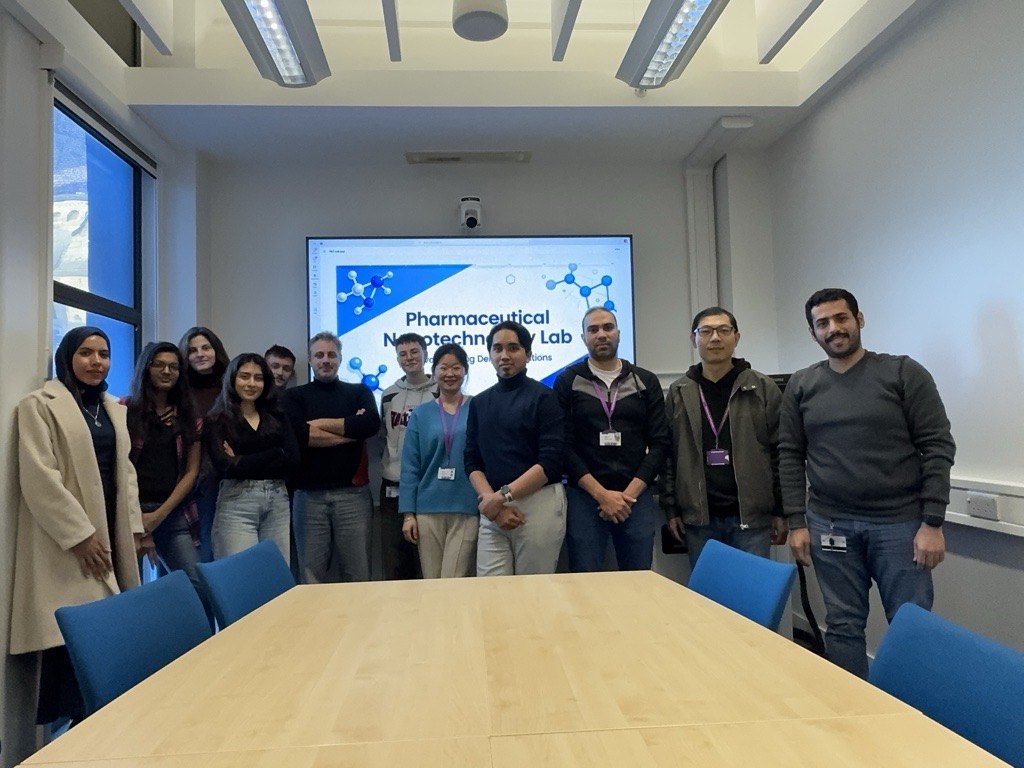
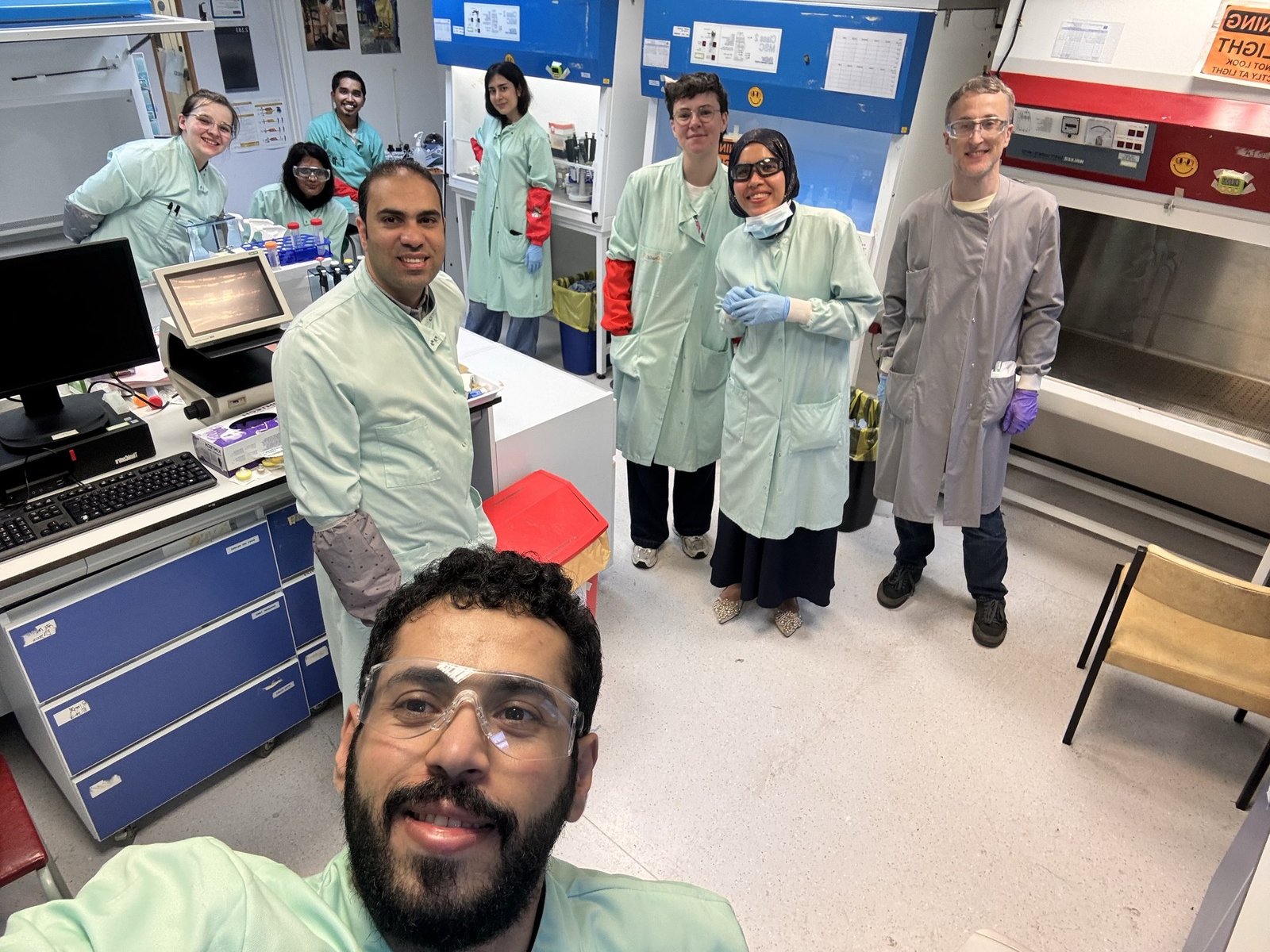
Founded in November 2022 and led by Dr Christos Tapeinos in the Stopford Building.

Who we are

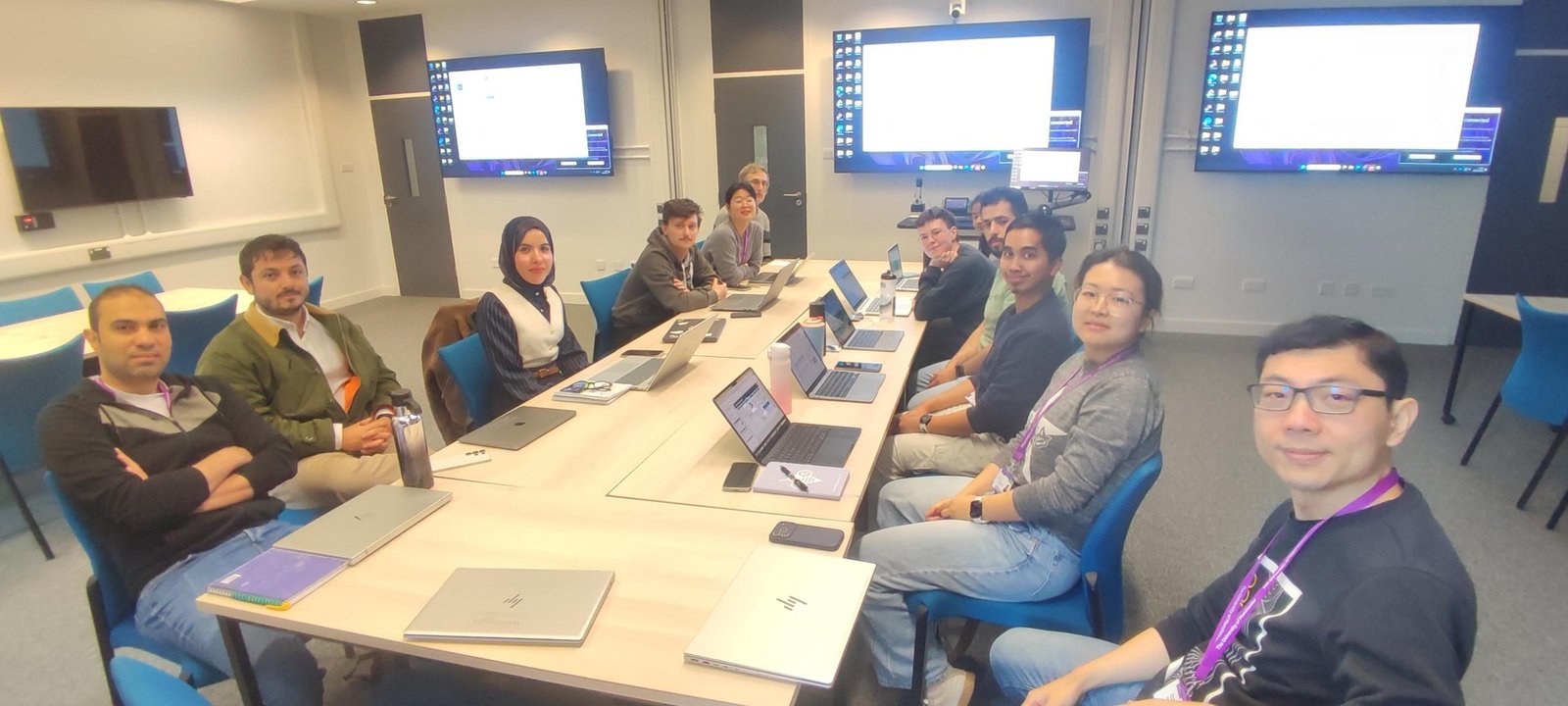
An interdisciplinary team of pharmacists, materials scientists, chemists and cell biologists working at the interface of pharmaceutics, nanotechnology and cell biology.

Our mission

To build delivery systems that "read" their microenvironment and respond in predetermined, controlled ways — improving treatment of glioblastoma, neuroinflammation and pancreatic cancer.

How we work

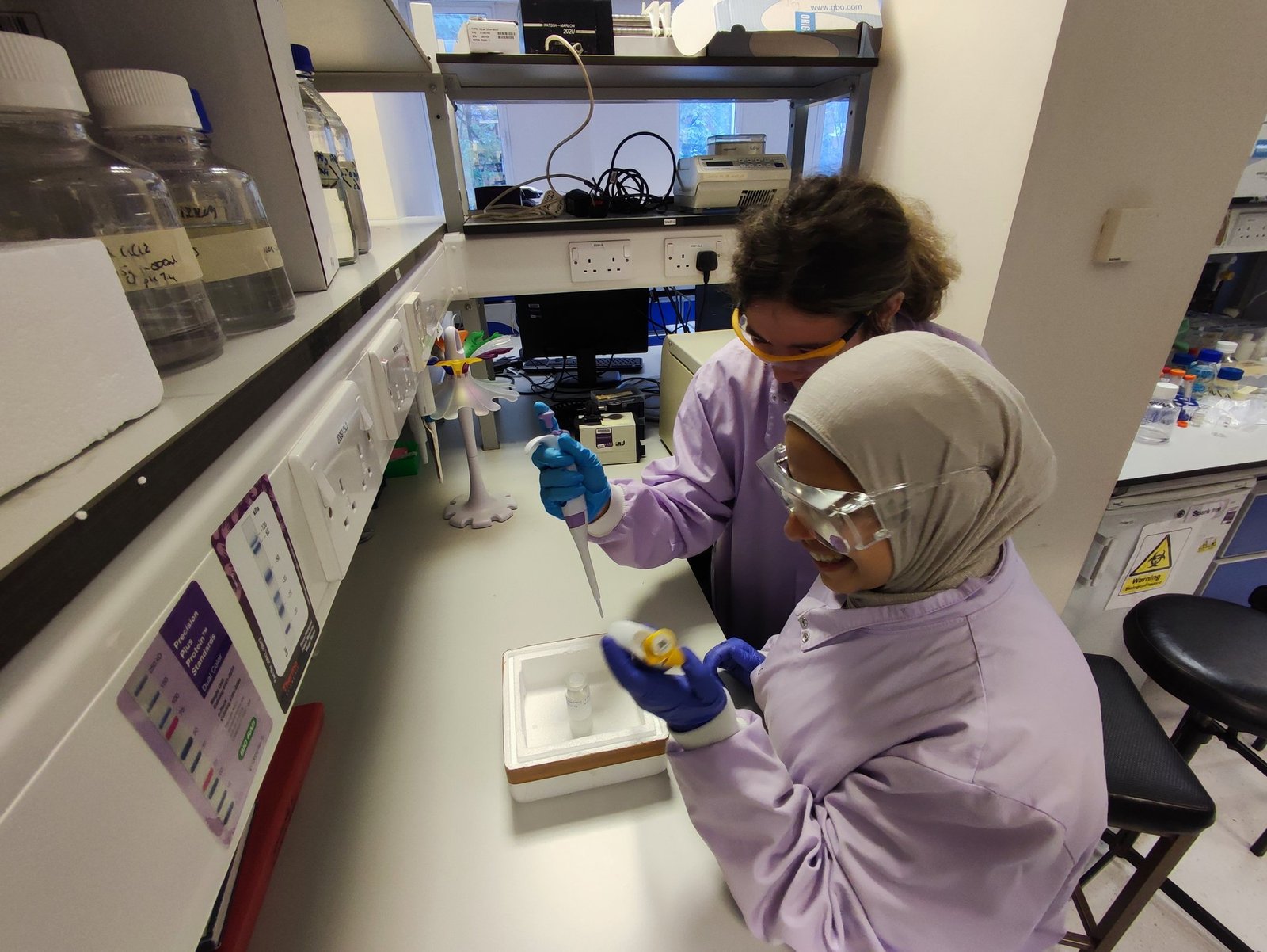
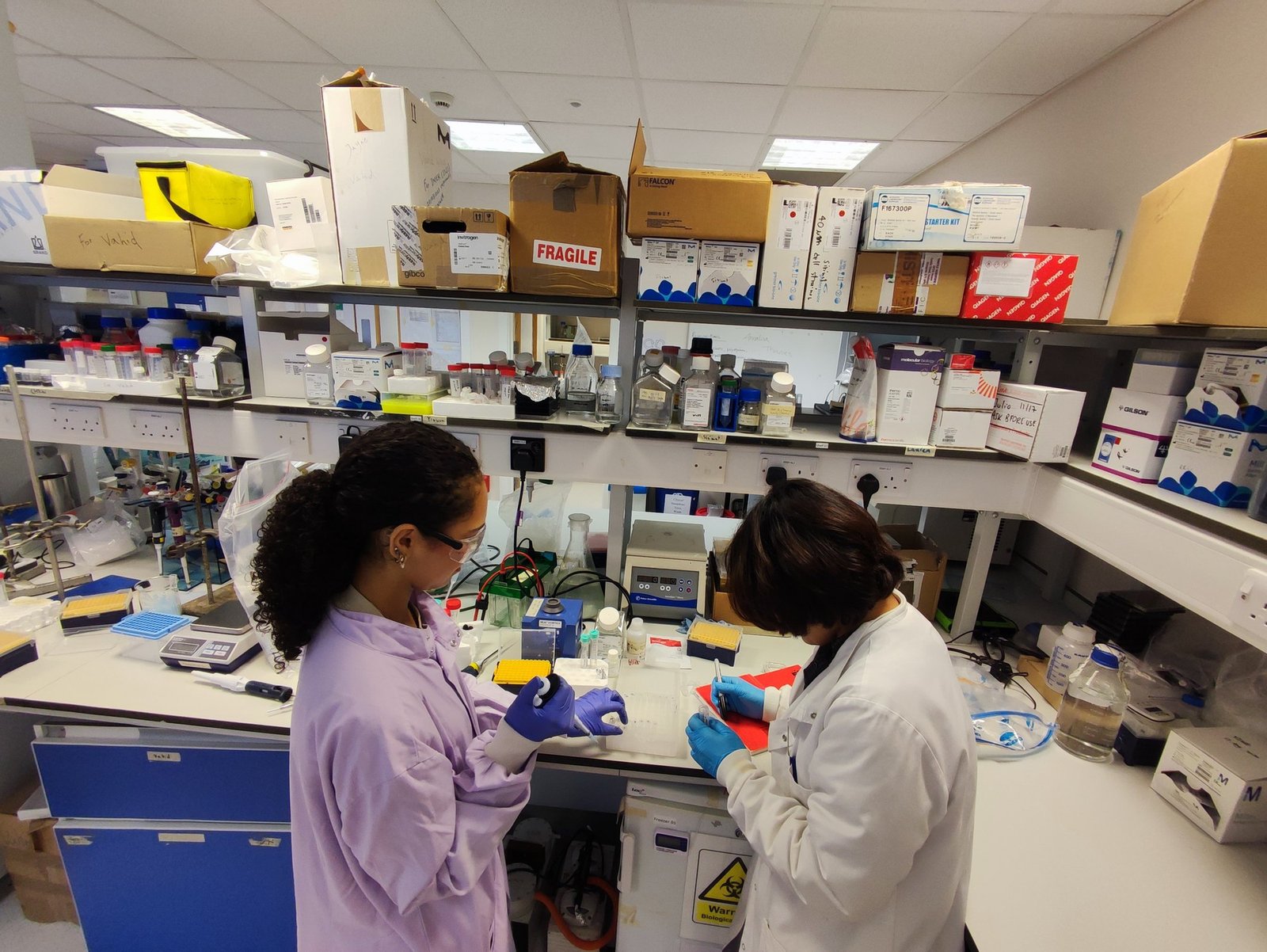
From nanoparticle synthesis and single-particle characterisation to microfluidic disease models, we test every system in models that reflect the biology before moving in vivo.

Research themes

Supported by the Marie Skłodowska-Curie Actions, The Royal Society, EPSRC and Translation Manchester. See our current and previous funded projects.

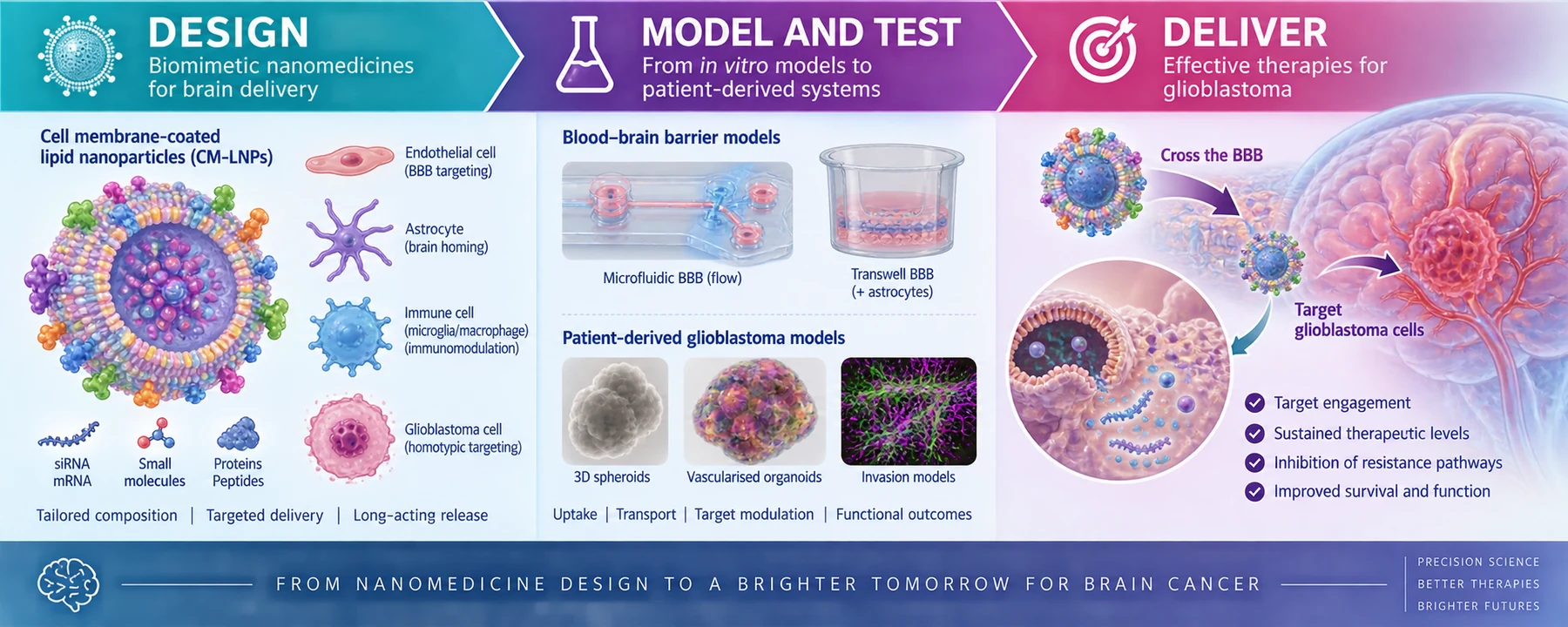
Three-stage overview of the PNT Lab: designing cell membrane-coated lipid nanoparticles carrying siRNA, mRNA, small molecules and proteins; testing them in microfluidic and Transwell blood-brain barrier models and patient-derived glioblastoma spheroids, organoids and invasion models; and delivering them across the blood-brain barrier to target glioblastoma cells.
Nanomedicine Pathway to Brighter Brain Cancer Care
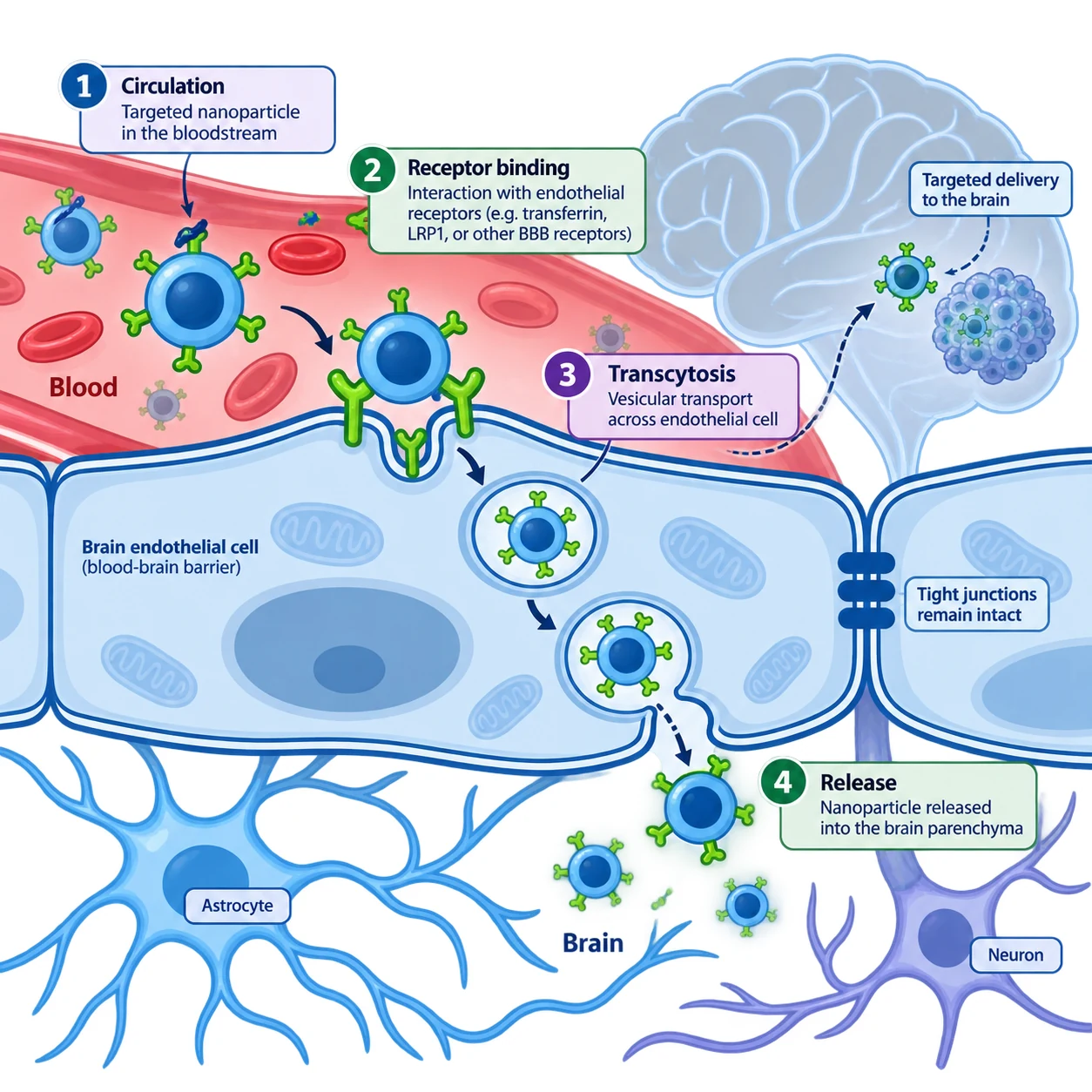
Schematic of a targeted nanoparticle circulating in the blood, binding endothelial receptors, crossing the blood-brain barrier by transcytosis and being released into the brain parenchyma.

Smart nanomedicines for the brain

Stimuli-responsive lipid, polymeric and inorganic nanocarriers for glioblastoma and neuroinflammation, including strategies to cross the blood–brain barrier.

The blood–brain barrier keeps almost every promising drug out of the brain, so a carrier has to do two things at once: get across, and then release its cargo only where it is needed. We build particles that respond to the chemistry they meet — pH, redox state, enzyme activity, temperature — rather than emptying on a fixed schedule wherever they happen to be.

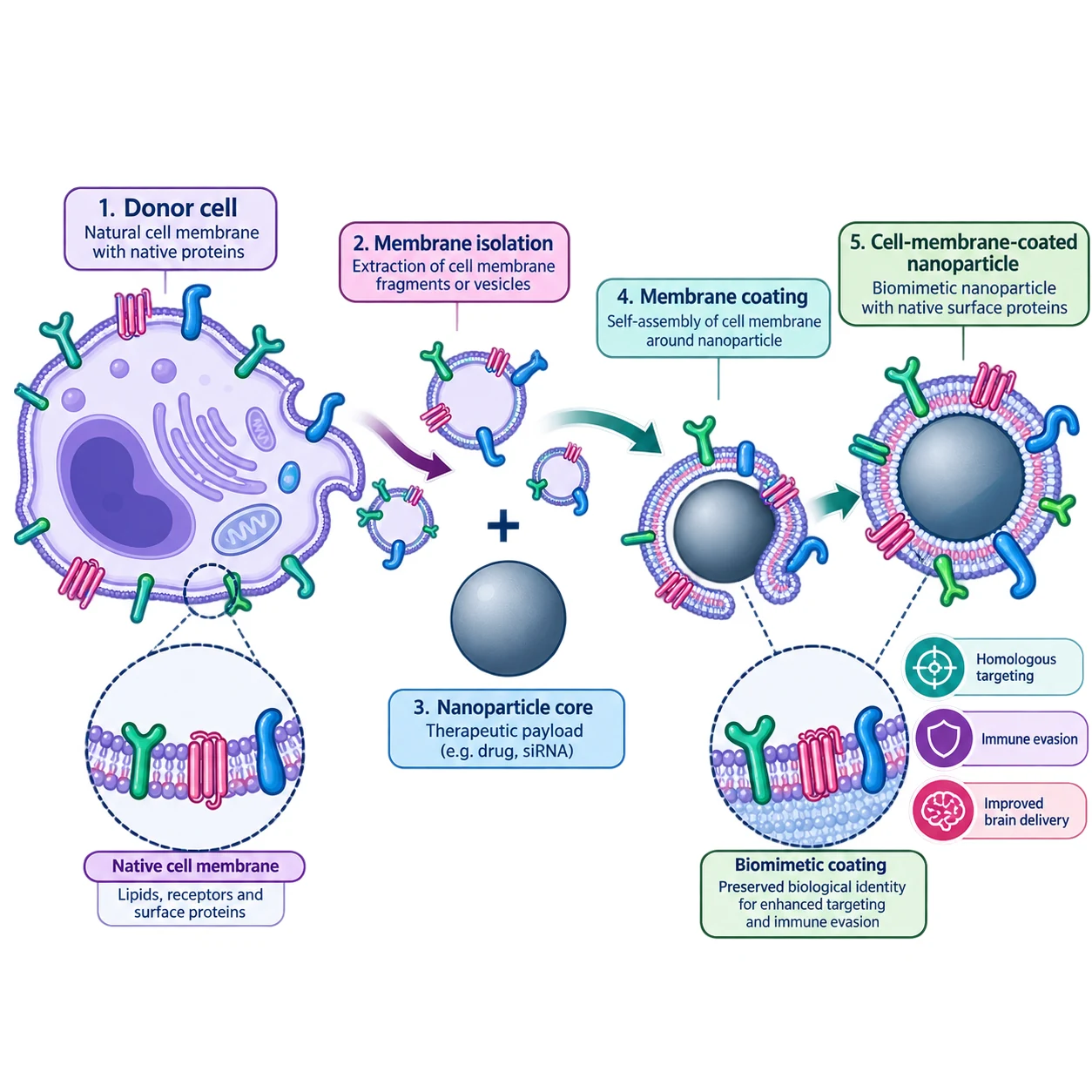
Schematic of a donor cell membrane being isolated and self-assembled around a nanoparticle core to give a biomimetic nanoparticle carrying native surface proteins.

Cell-membrane-derived nanoparticles

Biomimetic carriers built from cell membranes that borrow native recognition and trafficking to reach brain and pancreatic tumours.

A synthetic surface has to be taught to recognise tissue; a cell membrane already knows. By wrapping a nanoparticle in membrane taken from a chosen cell type, the particle inherits that cell's surface proteins, and with them its homing behaviour and its ability to pass as self rather than as something to be cleared.

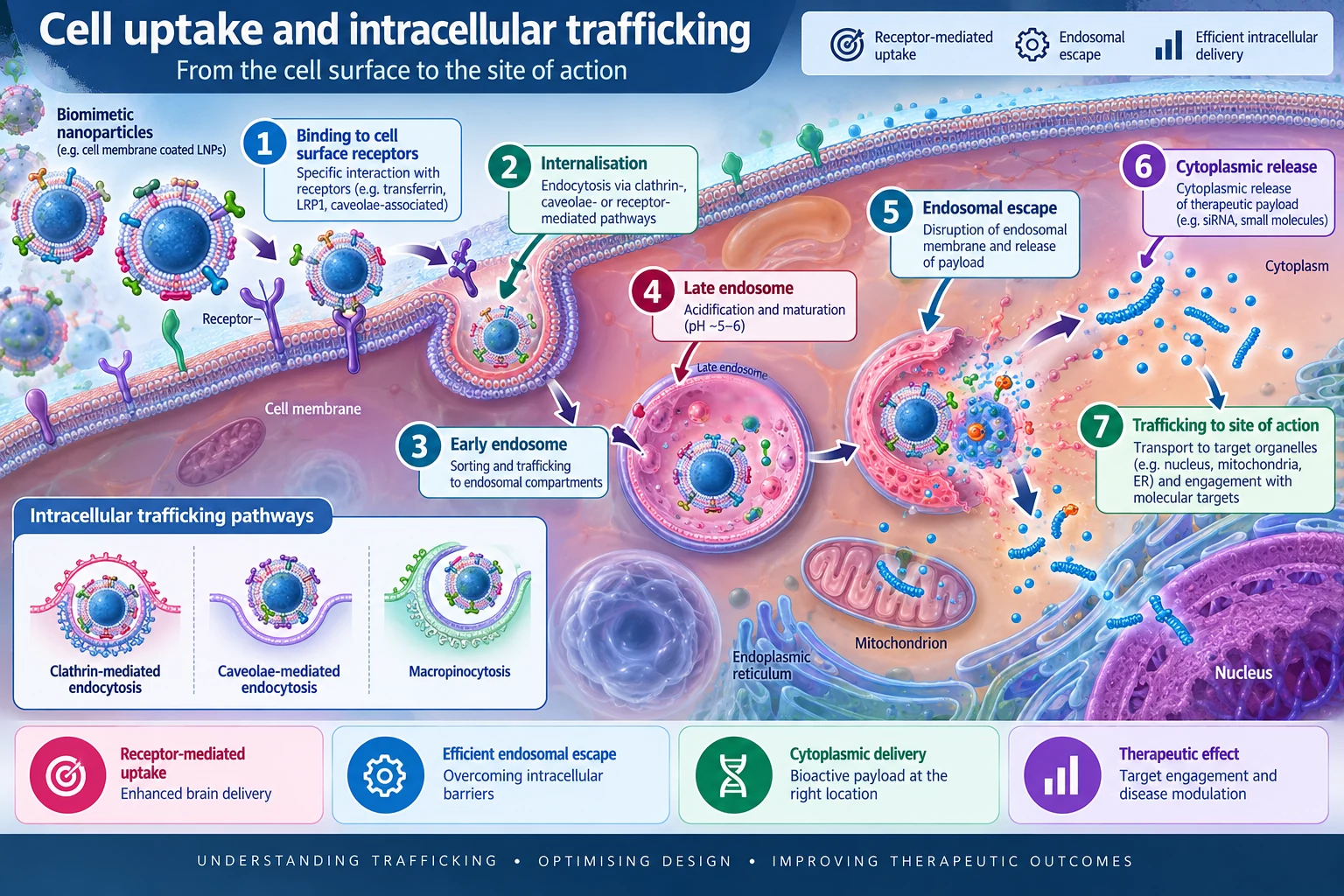
Schematic of nanoparticle uptake and intracellular trafficking, from receptor binding and endocytosis through early and late endosomes to endosomal escape and cytoplasmic release.

Cell–material interactions

Single-particle and single-cell analysis of how nanoparticles are recognised, internalised and trafficked, to control their fate.

Averages hide what matters here. Two particles in the same sample can take completely different routes into a cell and end up in different compartments, so we watch uptake one particle and one cell at a time. That distinction — between reaching the cytoplasm and being degraded on the way — is often the difference between a formulation that works and one that does not.

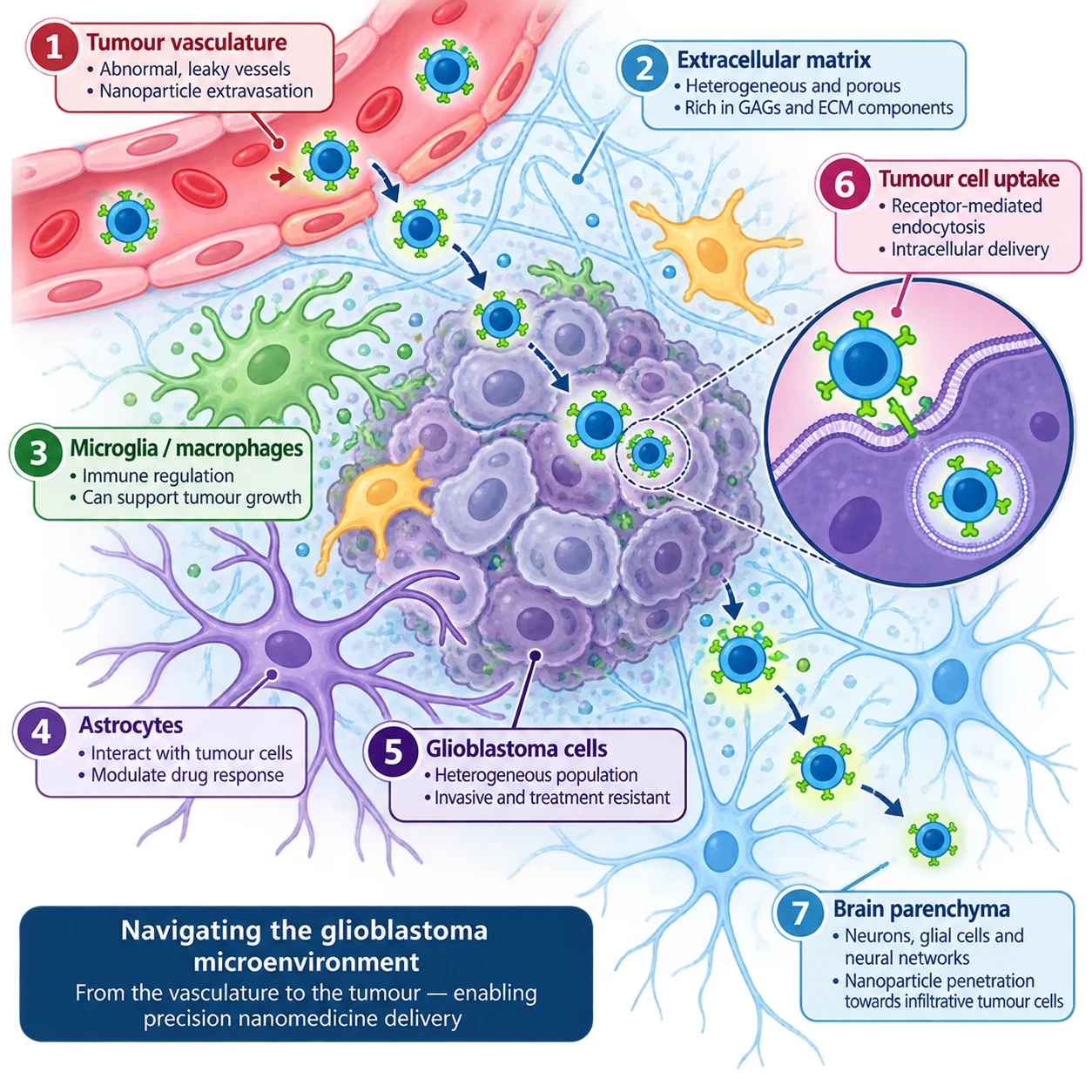
Schematic of the glioblastoma microenvironment showing tumour vasculature, extracellular matrix, microglia, astrocytes and tumour cells, with nanoparticles penetrating towards the tumour.

Tumour microenvironment

Materials-based approaches to remodel the pancreatic cancer and glioma microenvironment, including immune and oxidative-stress modulation.

Glioma and pancreatic tumours are defended as much by what surrounds them as by the tumour cells themselves: dense matrix that blocks penetration, and immune cells that have been turned to the tumour's advantage. So rather than only carrying drugs in, we use materials to change that environment — easing transport through it, shifting how the local immune cells behave, and altering the oxidative balance the tumour depends on.

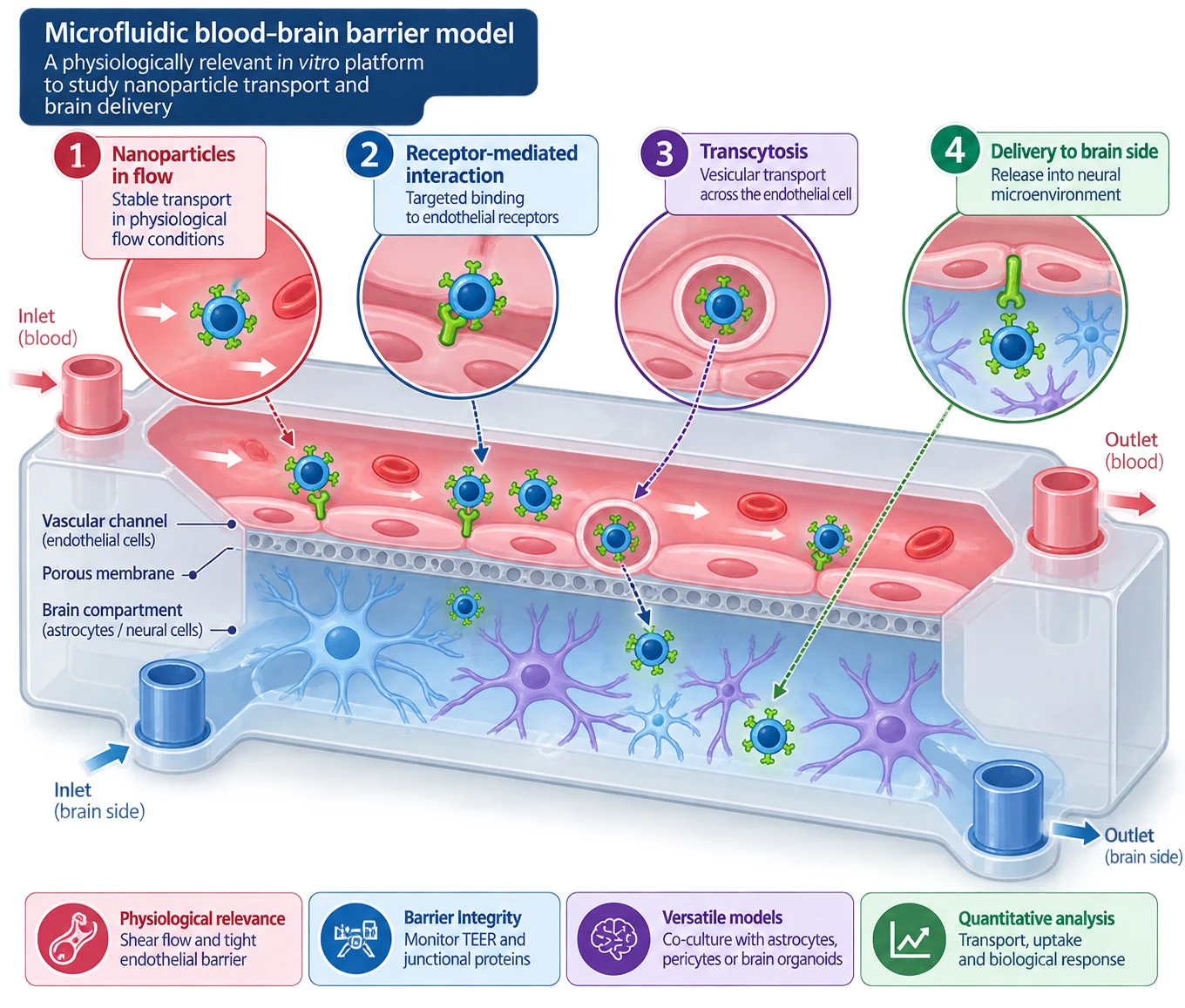
Schematic of a microfluidic blood-brain barrier chip with a vascular channel, porous membrane and brain compartment, showing nanoparticle transport across the endothelial barrier.

Microfluidic & in vitro models

Disease-mimicking platforms, blood–brain barrier models and organ-on-chip systems for realistic drug-delivery testing.

A carrier can perform beautifully in a static well and fail under flow, which is closer to what it will actually meet. Our chips put cells under realistic shear and let us measure transport across a barrier directly rather than infer it — and the better these models become, the fewer animal experiments are needed to answer the same question.

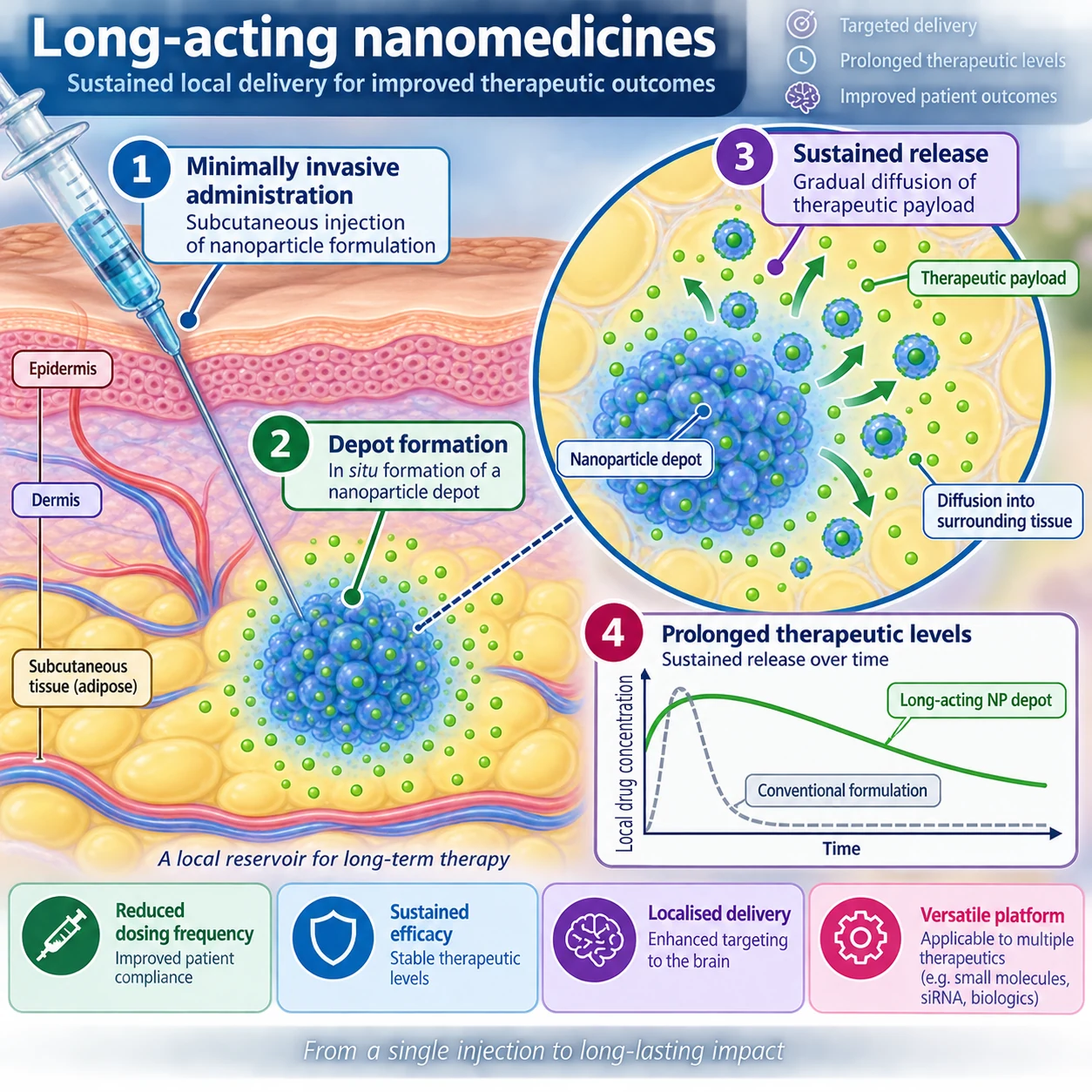
Schematic of a subcutaneous nanoparticle depot forming after injection and releasing its payload gradually, with a graph comparing sustained release against a conventional formulation.

Long-acting therapeutics

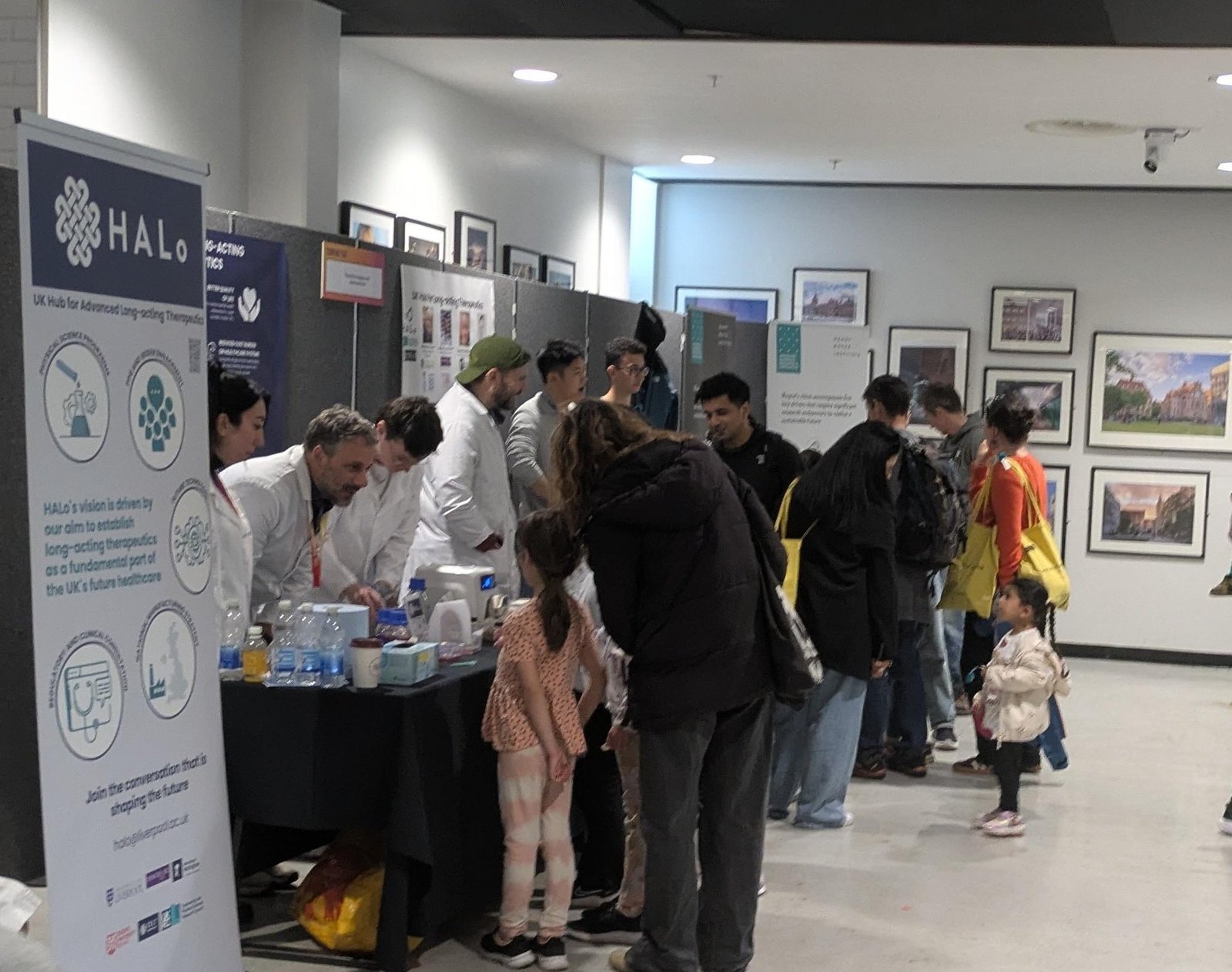
Skin-mimicking models of drug diffusion after subcutaneous administration, as part of the HALo Centre of Excellence for Long-Acting Therapeutics.

A single injection that keeps working for weeks or months changes what treatment is practical, particularly where coming back for frequent doses is difficult. What decides it is how the depot forms once it reaches the tissue and how the drug then moves out of it, which is exactly what these models are built to measure.

Current projects

The grants and awards the lab is running right now.

2026–2030

EUzymat – Eutectozymes as innovative antioxidant materials for biomedical applications

European Commission, Marie Skłodowska-Curie Actions Staff Exchanges (HORIZON-MSCA-2026-SE-01) · €173K

A four-year international staff-exchange programme developing eutectic-solvent-based enzyme-mimicking (eutectozyme) antioxidant materials for biomedical use.

PI
2026

Evaluating therapeutic response in adult and paediatric brain cancers using patient-derived 3D tumour models

Industrial Biotechnology Innovation Catalyst (IBIC) · £35K

Extends the lab's nanomedicine platform into patient-derived paediatric brain-tumour models.

PI
2026

MyExoFat – Patient-derived micro-fragmented adipose tissue (MFAT) exosomes as drug delivery vehicles for glioblastoma

Confidence for Translation (C4T) Award, Translation Manchester / MRC · £75K

Translational development of adipose-tissue-derived exosomes as carriers for localised glioblastoma therapy.

PI
2026

In-situ forming peptide-based subcutaneous solid depot for long-term delivery of cancer drugs

Industrial Biotechnology Innovation Catalyst (IBIC) · £76K

The lab leads the in vitro assessment of the developed long-acting depots.

Co-I
2025–2026

Alginate-based hydrogels for complex 3D scaffolds with biochemical, mechanical and physiological relevance

UoM EPSRC Postdoctoral Pathway Fellowship 2025/26 (Fellow: Dr Rebekah Kay) · £59.5K

An externally funded, independent early-career fellowship hosted in the PNT Lab.

PI / host
2024–

HALo – EPSRC National Hub for Advanced Long-Acting Therapeutics (Healthcare Technologies theme)

EPSRC · £10M national Hub, £1.56M at UoM

The lab leads the development and characterisation of in vitro fluidic models for long-acting therapeutics.

Co-I · workstream lead

Working with industry

Consultancy, collaborative R&D and partnerships with biotechnology, pharmaceutical, nanotechnology and healthcare companies.

Industry Collaboration

We support formulation development, biological evaluation and translation of emerging therapeutic technologies — from feasibility assessment and formulation strategy through to jointly funded translational projects.

Partner with the PNT Lab

Alumni

Former members of the lab and where they went next.

Name Role in the lab Years Now
Ms Sara Momtahan Ms Sara Momtahan Erasmus MSc student Jan - Jul 2026

Mr Luke Fletcher Undergraduate project student Jan - Mar 2026
Ms Mia Caroline Petersen Ms Mia Caroline Petersen Undergraduate project student Jan - Mar 2025

Dr Yixuan Yan Dr Yixuan Yan Postdoctoral Research Associate 2023

Conferences & presentations

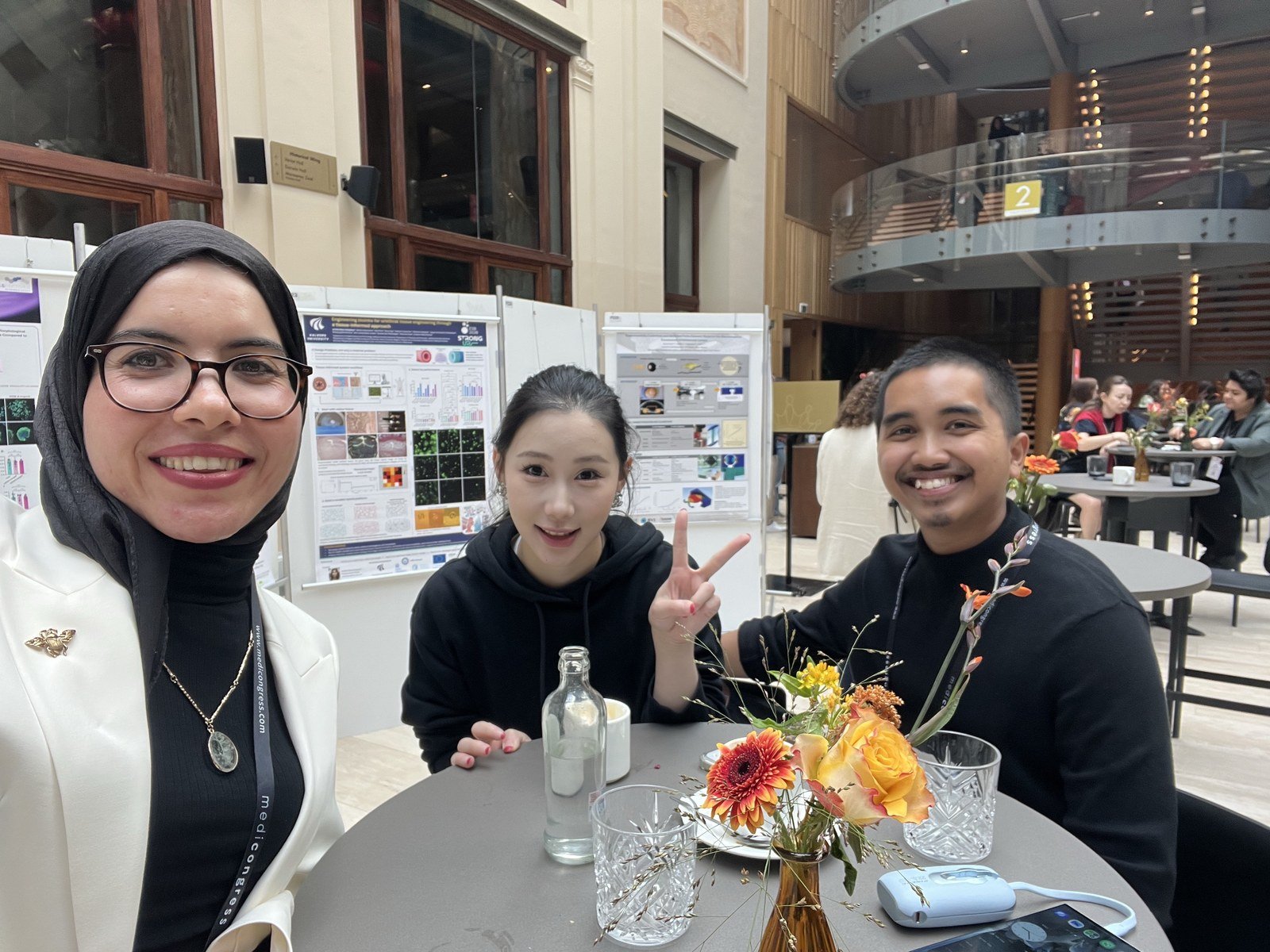
Where the lab has presented its work, and the prizes our researchers have won along the way.

Oral presentation

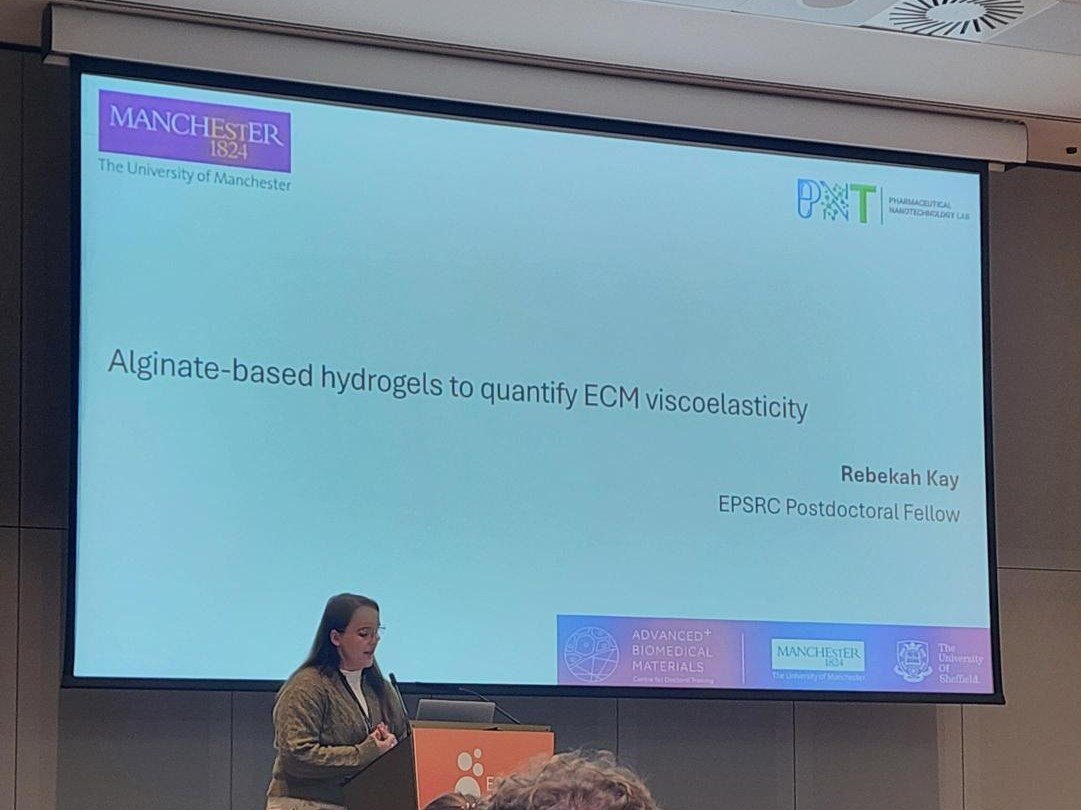
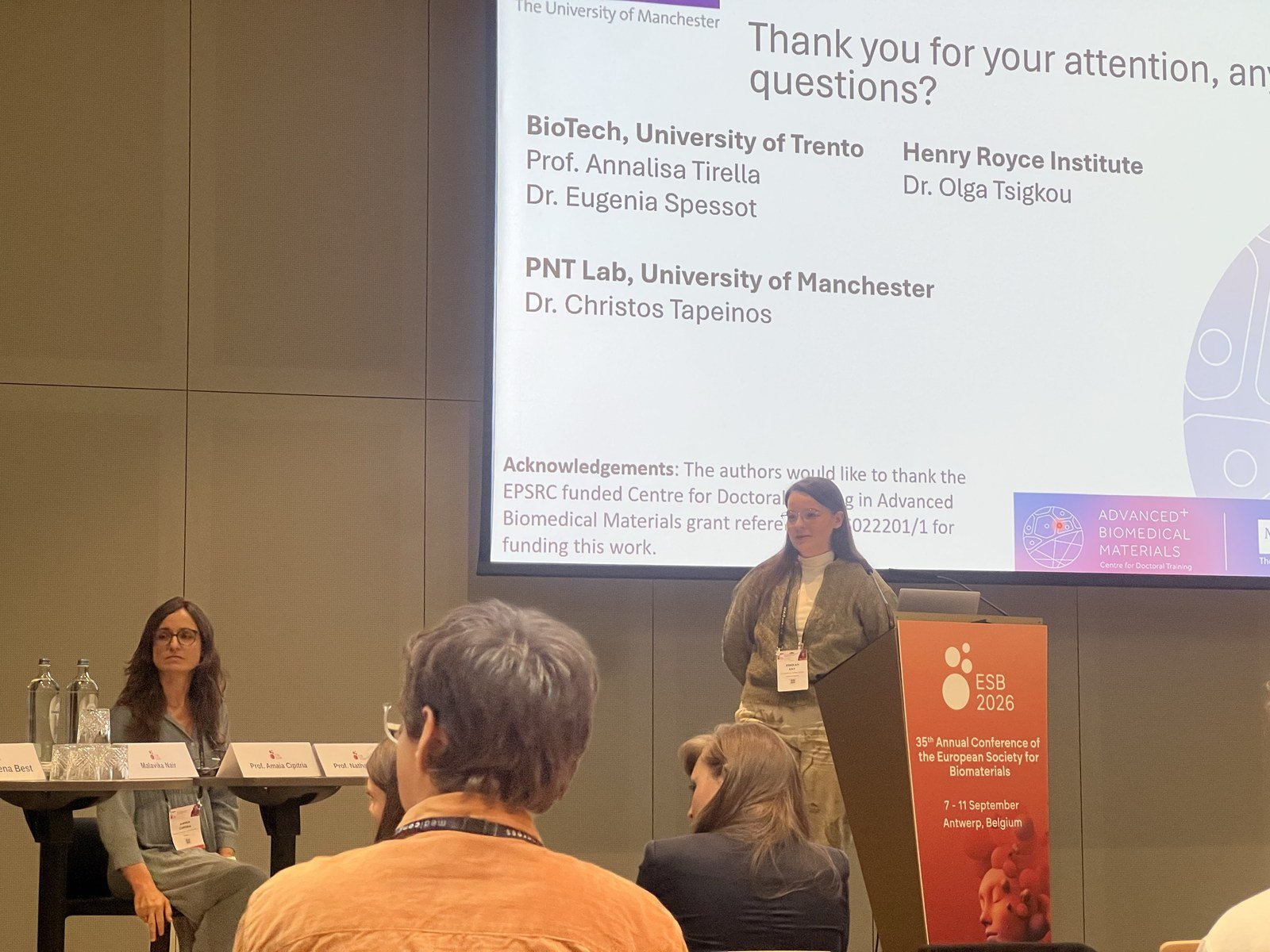
Alginate-based hydrogels to quantify ECM viscoelasticity

Dr Rebekah Kay

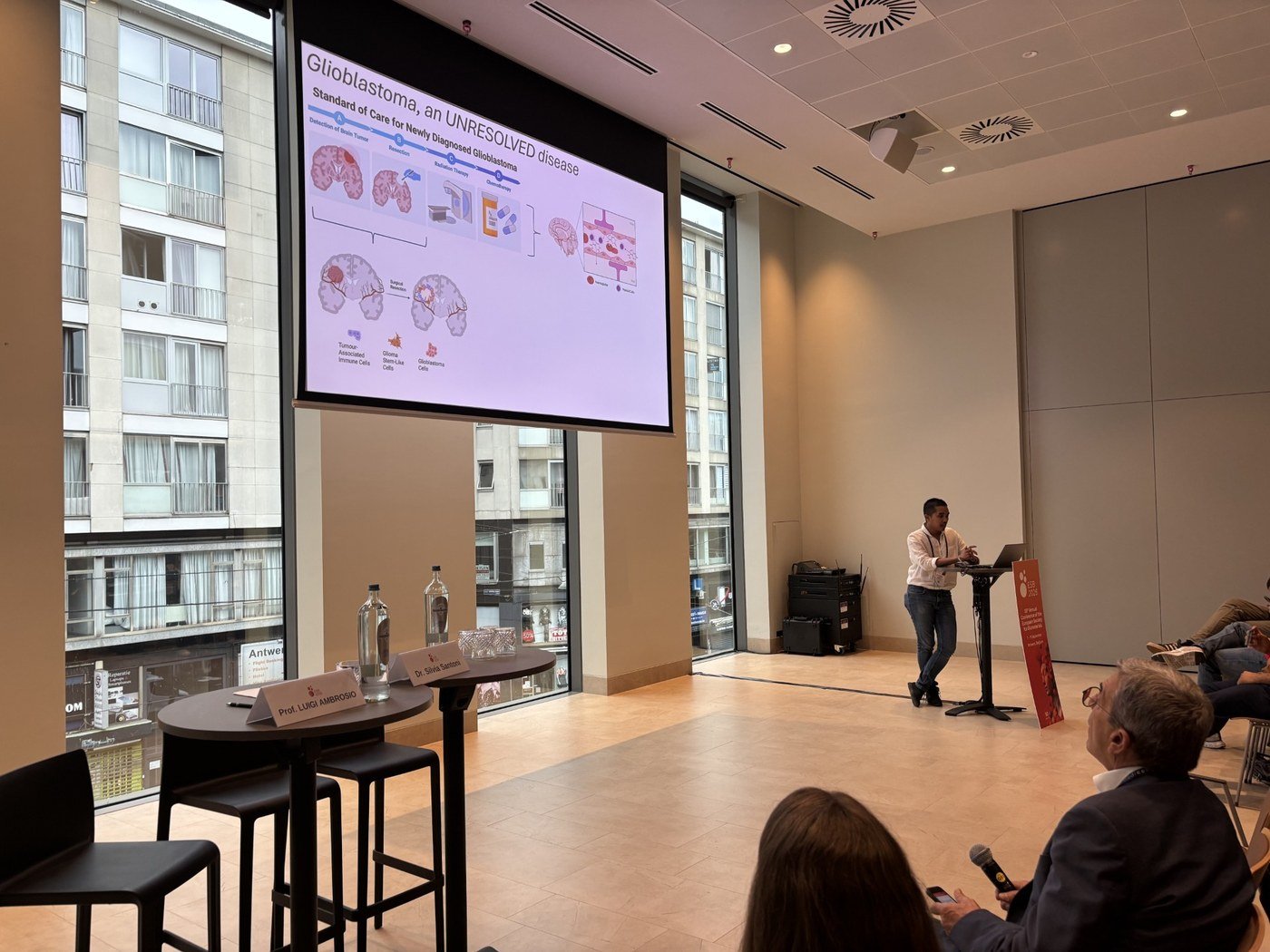
35th Annual Conference of the European Society for Biomaterials (ESB 2026) · Antwerp, Belgium · 7-11 September 2026

Rebekah presented her EPSRC Postdoctoral Fellowship work on alginate hydrogels as a way to measure and reproduce the viscoelastic behaviour of the extracellular matrix.

Conference website →
Poster

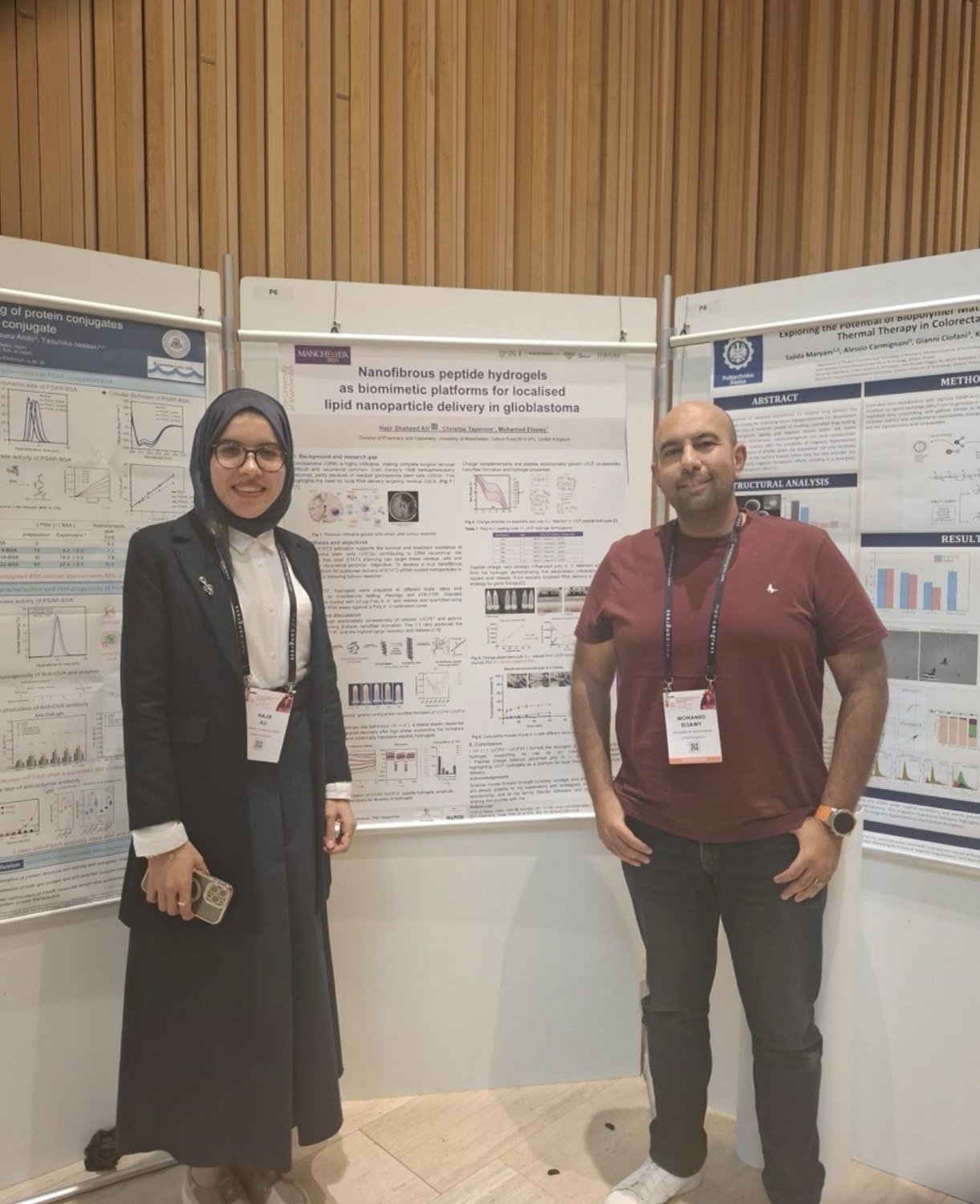
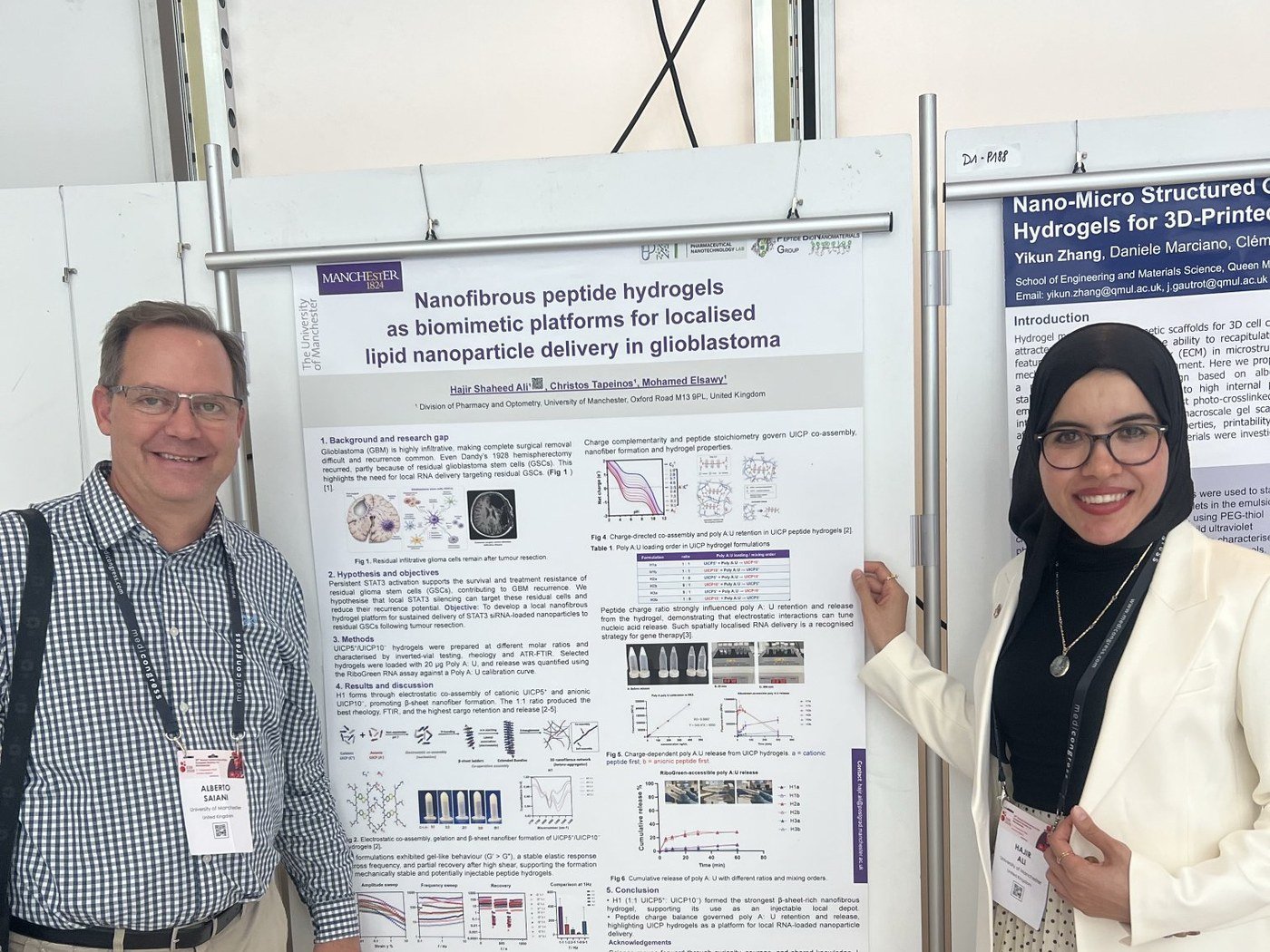
Nanofibrous peptide hydrogels as biomimetic platforms for localised lipid nanoparticle delivery in glioblastoma

Ms Hajir Ali

35th Annual Conference of the European Society for Biomaterials (ESB 2026) · Antwerp, Belgium · 7-11 September 2026

Hajir presented a poster on charge-directed co-assembly of peptide hydrogels and their use as a local depot for STAT3 siRNA-loaded nanoparticles, with Prof Alberto Saiani.

Conference website →

Join us — open positions

We welcome enquiries from motivated researchers at every level.

Postdoc

Research Associate — long-acting injectable depots for cancer therapy

Deadline: 30 September 2026

A 12-month full-time post (Grade 6, £37,694) in the Polymer & Peptides Research Group at the Manchester Institute of Biotechnology, developing novel in-situ forming subcutaneous solid depots for the long-term delivery of cancer drugs. The project is IBIC-funded and runs with industrial partner Innovarus, so the work spans polymer science, formulation and translational drug delivery within a multidisciplinary team. Start date 15 October 2026 or as soon as practical. Ref BMH-032271; contact Prof Alberto Saiani. An ATAS certificate is required.

Apply on jobs.manchester.ac.uk
PhD

Self-funded PhD projects — glioblastoma & Alzheimer’s nanomedicine

Deadline: Rolling

Projects on smart nanocarriers, cell-membrane-derived nanoparticles and blood–brain barrier models. Open to self-funded candidates with a background in pharmacy, materials science, chemistry or bioengineering.

Email to enquire

New positions are announced first on LinkedIn. Follow us to be notified of PhD studentships, postdoctoral posts and lab news as soon as they open.

Follow on LinkedIn

Prospective PhD students

We consider self-funded PhD candidates in brain cancer (Glioblastoma) and Alzheimer's disease nanomedicine at any time. Email a short CV and a paragraph on your research interests to christos.tapeinos@manchester.ac.uk. Advertised projects also appear on FindAPhD.

Lab news

Funders

Marie Skłodowska-Curie Actions (European Commission)UKRI – Engineering and Physical Sciences Research CouncilThe Royal SocietyTranslation ManchesterIndustrial Biotechnology Innovation CatalystGeoffrey Jefferson Brain Research CentreExogems

Contact

Visit us

Pharmaceutical Nanotechnology Laboratories
Division of Pharmacy and Optometry
School of Health Sciences, Faculty of Biology, Medicine and Health
The University of Manchester
Stopford Building, Oxford Road
Manchester M13 9PT, United Kingdom